Tracing the Mechanics of Instant Funding Solutions That Unlock Tiered Access in Portable Gaming Platforms
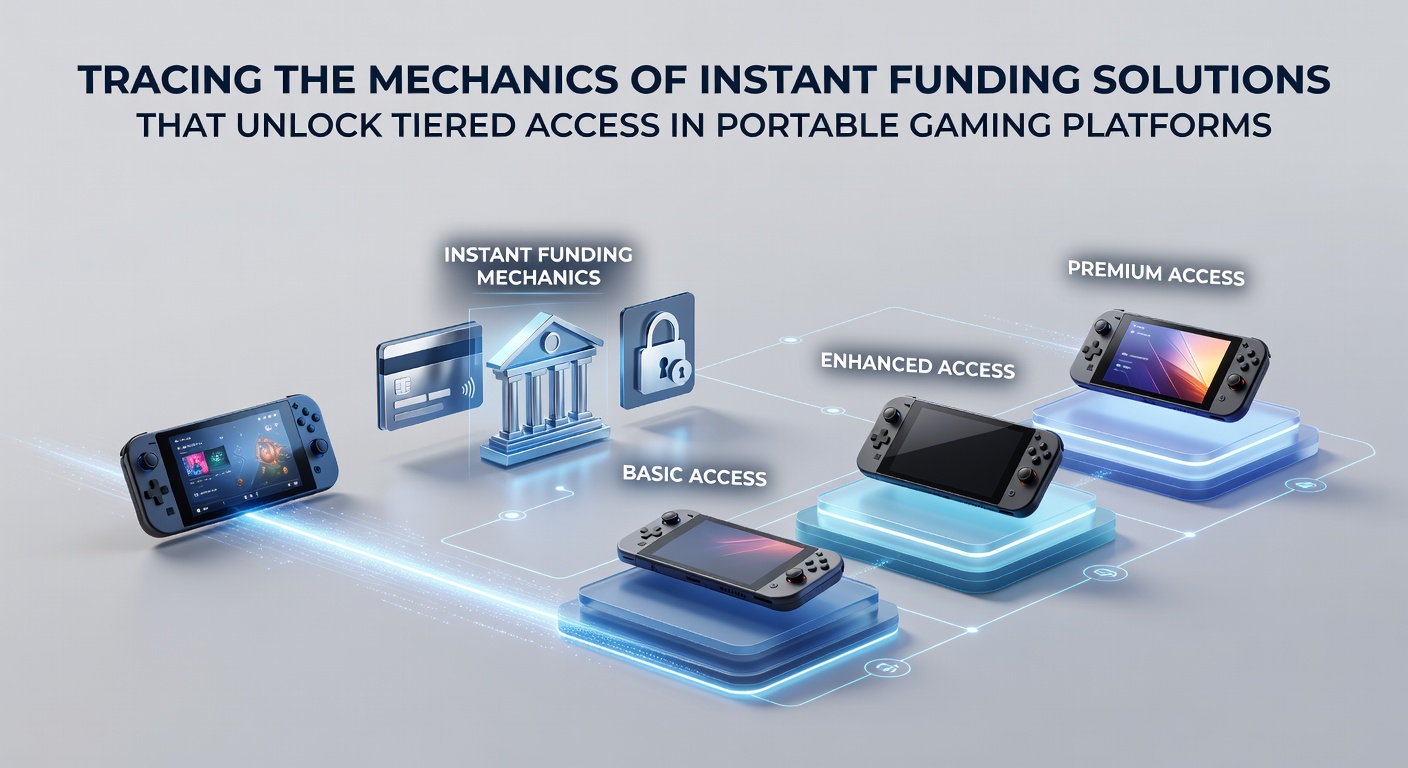
Portable gaming platforms rely on seamless payment integrations that process deposits in seconds rather than minutes, and these systems connect directly to tiered reward structures where initial funding volumes or speeds determine user access levels. Observers note that the mechanics begin with API calls between mobile applications and payment processors that verify funds through encrypted channels while simultaneously updating player profiles on backend servers. Research indicates that platforms using real-time verification protocols achieve deposit confirmations in under three seconds on average, which then triggers automated tier evaluations based on predefined thresholds for bronze, silver, and gold classifications.
Core Components of Instant Funding Protocols
Instant funding solutions operate through layered architectures that combine traditional banking rails with emerging digital wallet technologies, and data from industry reports shows that e-wallet integrations account for over 60 percent of mobile deposit volume in regulated markets during early 2026. These protocols employ tokenization to secure account details while routing transactions through multiple verification nodes that cross-check balances before releasing credits to the gaming wallet. Experts have observed that when a deposit meets or exceeds specific value markers, the system automatically assigns higher tier privileges such as exclusive game access or accelerated reward accrual rates, creating a direct link between funding velocity and platform status elevation.
Integration with Mobile Device Capabilities
Portable devices leverage built-in biometric authentication and near-field communication features to streamline the funding sequence, whereas older systems required manual entry steps that delayed tier progression by several minutes. Studies found that platforms incorporating device-level security tokens reduce friction points and allow funding events to register instantly across distributed server clusters. As of May 2026, regulatory updates in multiple jurisdictions have encouraged operators to adopt standardized interfaces that maintain transaction logs for compliance while enabling immediate tier recalculation once funds clear the verification stage.
Mechanics Behind Tier Unlocking Sequences
Tiered access emerges from algorithmic scoring models that weigh deposit frequency, total funded amounts, and transaction completion times against historical benchmarks established by the platform operator. One study revealed that users who complete instant deposits above established thresholds receive automatic notifications of upgraded status within the same session, granting access to restricted content libraries or enhanced live dealer options. The process continues with periodic re-evaluations that factor in sustained activity levels, and observers note this creates ongoing incentives for repeated instant funding interactions rather than sporadic larger transfers.
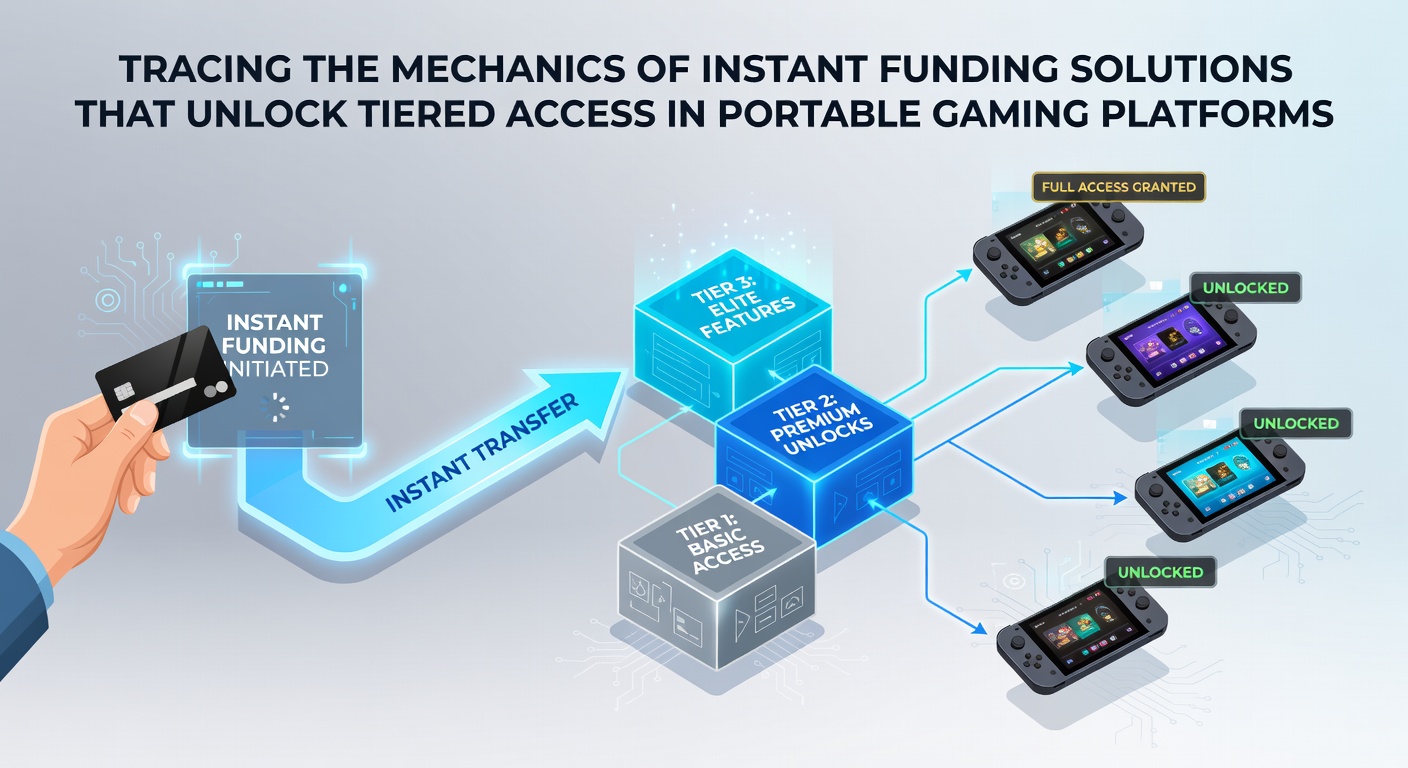
Payment gateways communicate status updates through push notifications that sync across user accounts on tablets and smartphones, ensuring tier benefits activate without requiring manual intervention. According to figures from the American Gaming Association, integrated loyalty structures now process over 40 percent of tier advancements through automated funding triggers in portable environments. Those who've examined system logs report that fallback procedures activate when network latency exceeds set parameters, preserving transaction integrity while queuing tier updates for the next successful synchronization cycle.
Regional Variations in Implementation
North American operators often pair instant funding with state-specific licensing requirements that mandate detailed audit trails for every tier elevation event, whereas European frameworks emphasize consumer protection layers that verify funding sources before unlocking premium features. Data indicates Australian platforms have incorporated similar instant systems with additional responsible gaming checks that pause tier progression if spending patterns trigger predefined alerts. Researchers discovered that these geographic differences influence the exact thresholds required for each tier yet maintain the underlying mechanic of real-time funding validation as the primary unlock trigger.
Industry organizations track adoption rates through quarterly surveys, and evidence suggests portable platforms that combine instant funding with tiered access see higher retention metrics compared to those relying on delayed processing methods. The ball's in the operators' court when it comes to refining these systems further, particularly as device hardware continues to advance biometric and connectivity standards that support even faster verification loops.
Future Trajectories for Portable Tier Systems
Developments projected through late 2026 point toward greater incorporation of decentralized ledger elements that could further compress funding times while maintaining transparent records for tier calculations. Academic analyses from institutions examining digital entertainment economics highlight how these mechanics reduce barriers between casual and dedicated users by rewarding immediate financial commitments with proportional access privileges. People who monitor platform updates frequently encounter announcements detailing refined scoring algorithms that adjust tier requirements seasonally based on aggregate user behavior data.
Conclusion
The mechanics of instant funding solutions in portable gaming platforms form a tightly coupled system where transaction speed directly influences tier status and content availability. Observers continue to document how these integrations evolve alongside device capabilities and regulatory expectations across different regions. Evidence suggests sustained growth in adoption rates will depend on maintaining secure, rapid processing while preserving clear pathways for users to advance through successive access levels.