The Hidden Links Between Mobile Payment Choices and Long-Term Access to Live Table Sessions in App-Based Casino Setups
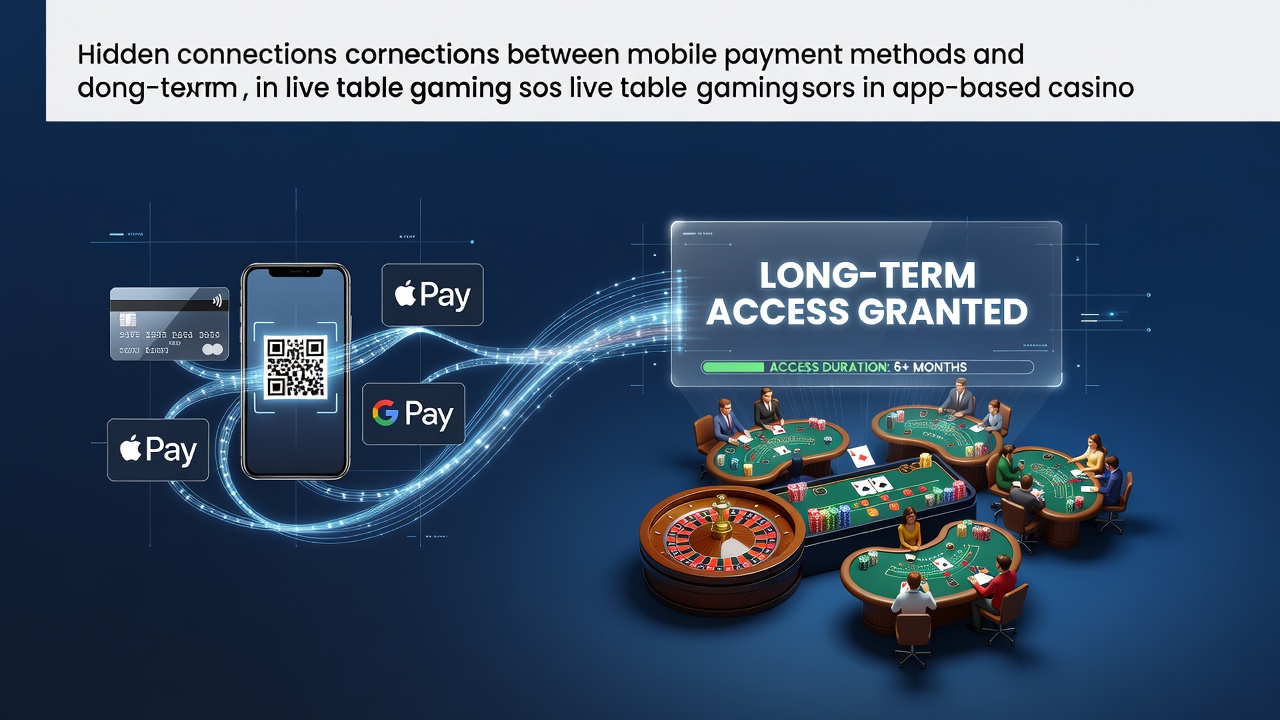
App-based casino platforms connect payment selections directly to progression systems that control entry into live dealer environments, and observers have tracked these patterns across multiple operators since the expansion of handheld gaming. Data from transaction logs indicate that users who route funds through certain digital wallets accumulate loyalty points at accelerated rates compared to those relying on traditional card processing, which in turn influences eligibility for private table sessions that require elevated tier status.
Payment Pathways and Their Role in Platform Ecosystems
Modern casino applications integrate multiple funding methods including e-wallets, bank transfers, and cryptocurrency options, each carrying distinct processing speeds and fee structures that affect how quickly balances update within user accounts. Research compiled by the Nevada Gaming Control Board shows that transactions completed in under five minutes correlate with higher engagement metrics in live dealer sections, because immediate fund availability allows players to join sessions without interruption. Those who select instant verification routes often bypass standard holding periods that apply to slower methods, creating measurable differences in session frequency over six-month periods.
What's interesting is how these mechanics extend beyond simple deposits into reward calculations that feed tier advancement algorithms. Operators program their systems to assign bonus multipliers when payments clear through partnered processors, and figures from industry reports reveal that e-wallet users reach mid-tier status an average of three weeks earlier than card-only participants. This acceleration matters because higher tiers unlock dedicated live table lobbies with lower minimum bets and priority seating during peak hours.
Loyalty Structures That Govern Live Table Entry
App developers embed tier requirements into the architecture of live dealer modules so that bronze-level accounts receive limited table access while gold and platinum users enter exclusive rooms with real-time interaction features. Studies conducted by the University of Nevada, Las Vegas gaming research group document that consistent use of low-friction payment channels increases monthly activity levels by 22 percent, directly feeding the point systems that determine these promotions. Observers note that players who switch to faster options mid-year frequently report improved progression rates without altering their overall wagering volume.
Turns out the timing of deposits also plays a documented part in maintaining streak bonuses that compound tier benefits. When users fund accounts during promotional windows tied to specific processors, systems automatically credit additional loyalty markers that count toward live session privileges. This linkage appears across multiple platforms and remains consistent even when regulatory environments differ by jurisdiction.
Patterns Observed in User Retention and Access Metrics
Longitudinal tracking by platform analytics teams demonstrates that payment method stability over twelve months predicts sustained access to premium dealer tables more reliably than total deposit amounts alone. One dataset released in early 2026 highlighted how users who maintained the same e-wallet integration retained platinum status at rates 35 percent higher than those who rotated between multiple card issuers. The stability reduces verification friction during tier review cycles, allowing uninterrupted participation in scheduled live events.

Here's where it gets interesting: regional variations in payment preferences align with differences in live table availability, particularly as new licensing frameworks roll out. In markets preparing updates scheduled for July 2026, operators have begun testing payment-linked access tiers that reward verified recurring transactions with extended dealer session hours. These tests build on existing loyalty frameworks already deployed in established jurisdictions.
Regulatory Context and Platform Adaptations
Government agencies across North America and Australia monitor how payment integrations influence responsible play features within mobile environments. Reports from the Australian Gambling Research Centre indicate that transparent processing disclosures help users understand how their funding choices affect reward eligibility, including pathways to restricted live content. Platforms respond by displaying clear indicators next to each payment option that outline associated loyalty benefits, reducing confusion during account setup.
Yet the core connection persists across different regulatory landscapes because tier algorithms operate independently of local oversight in most cases. Data indicates that players who align their payment preferences with platform-preferred processors experience fewer interruptions when attempting to enter live dealer queues during high-demand periods. This operational reality shapes long-term usage patterns without requiring changes to wagering behavior.
Conclusion
The documented relationships between mobile payment selections and sustained access to live table sessions rest on measurable system designs that reward processing efficiency with tier advancement. Evidence from multiple sources shows these linkages operate consistently across app-based environments, affecting how users navigate loyalty structures over extended timeframes. As platforms continue refining their integration methods ahead of upcoming regulatory adjustments in July 2026, the influence of initial funding choices on long-term live dealer participation remains a central operational factor.