Navigating State-Level Legislation Influences on Hybrid Slot and Table Ecosystems in Mobile Formats
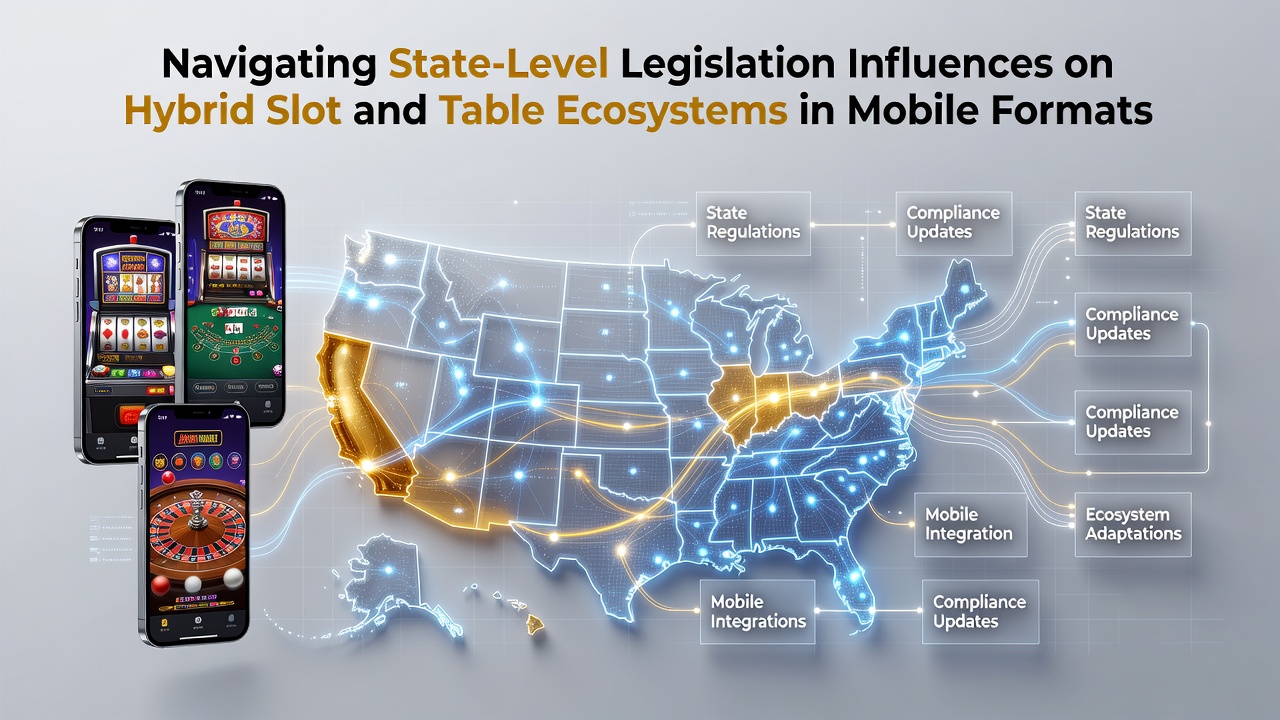
State-level legislation continues to shape how hybrid slot and table ecosystems operate within mobile formats across the United States, and operators must track rules that differ sharply from one jurisdiction to another. These frameworks govern everything from game approval processes to data security standards that apply when players access combined reel and dealer experiences on handheld devices. Data from industry tracking services shows that mobile hybrid titles now account for a growing share of total gaming activity in states where both online slots and live table options receive approval through the same licensing structure.
Variations in State Licensing Requirements
Each state sets its own criteria for who may offer hybrid mobile platforms, and these criteria often include separate certifications for slot mechanics alongside table game protocols. In New Jersey, regulators require platform providers to demonstrate that random number generators and live dealer feeds meet identical technical audits before any combined product reaches players, while Pennsylvania ties licensing fees to projected revenue from mobile sessions that blend both formats. Observers note that Michigan and West Virginia have adopted streamlined review timelines that allow quicker deployment once initial compliance documentation clears state review boards, and this approach has encouraged more developers to test hybrid features in those markets first.
Legislation in several states now addresses how loyalty programs integrate with mobile hybrid play, requiring transparent tracking of player activity across both slot spins and table decisions within a single app session. Those rules emerged after lawmakers examined data showing increased session lengths when rewards move fluidly between game types, and operators responded by building unified ledgers that satisfy reporting demands from multiple state agencies at once.
Impact on Payment and Data Pathways
Payment processing rules tied to state legislation directly influence how funds move into and out of hybrid mobile ecosystems. Several jurisdictions mandate that transaction logs remain accessible for real-time audits, which forces developers to design backend systems capable of separating slot versus table activity for regulatory review. According to the American Gaming Association reports, states that updated their financial reporting standards in 2025 saw faster approval cycles for apps that already maintained segmented transaction records. This pattern holds because regulators gain clearer visibility into tax obligations and responsible gaming triggers when data streams stay organized by game category.
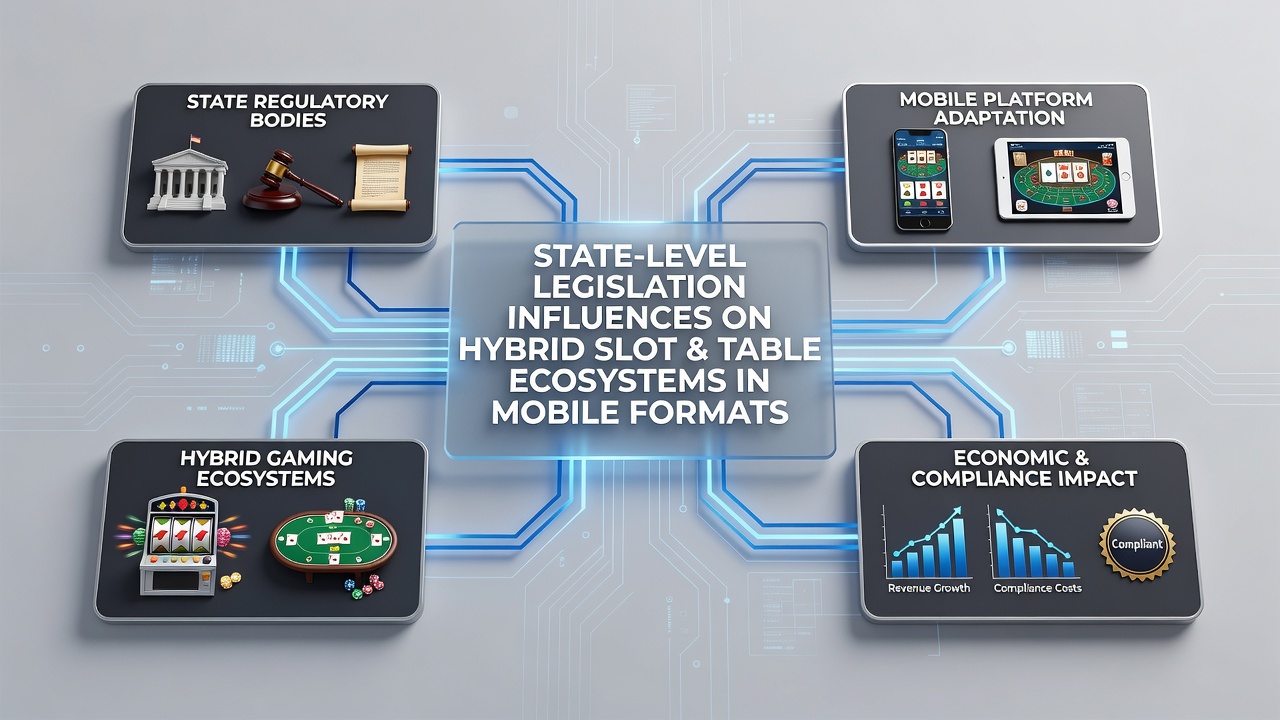
States continue to refine geolocation and age verification standards that apply specifically to hybrid mobile offerings. Legislation passed in 2024 and implemented through mid-2026 requires continuous location checks during live table segments even when slot play occurs in the same session, and operators have adjusted their apps to maintain compliance without interrupting gameplay flow. Researchers at the University of Nevada, Las Vegas documented how these layered verification steps reduced unauthorized access incidents in pilot programs conducted across two states, providing evidence that supports broader adoption of similar measures elsewhere.
Emerging Rules Effective July 2026
July 2026 marks the rollout of updated consumer protection measures in at least two additional states that previously lacked comprehensive mobile hybrid regulations. These measures require operators to display session time and spending summaries at set intervals when players switch between slot and table modules within the same interface. Compliance teams at major suppliers have already begun testing dashboard features that meet the new display standards, and early data indicates that states enforcing similar rules earlier experienced measurable drops in player complaints related to extended play sessions.
Cross-border play remains restricted under most state frameworks, yet legislation in border states has begun exploring limited reciprocity agreements for certain hybrid game types. Such agreements would allow players near state lines to access approved mobile content under the rules of their home jurisdiction while still satisfying the stricter technical requirements of the neighboring state, and working groups formed in 2025 continue to evaluate the technical feasibility of shared auditing protocols.
Conclusion
State-level legislation on hybrid slot and table ecosystems in mobile formats produces a patchwork of requirements that operators navigate through careful platform architecture and ongoing regulatory engagement. Evidence from states with mature frameworks shows that clear technical standards and unified reporting tools support both compliance and product development. As additional jurisdictions finalize rules through 2026 and beyond, the focus remains on maintaining consistent player protections while allowing innovation in combined reel and dealer experiences across handheld devices.