Mapping Digital Payment Pathways to Unlock Tiered Access in Handheld Live Table Environments
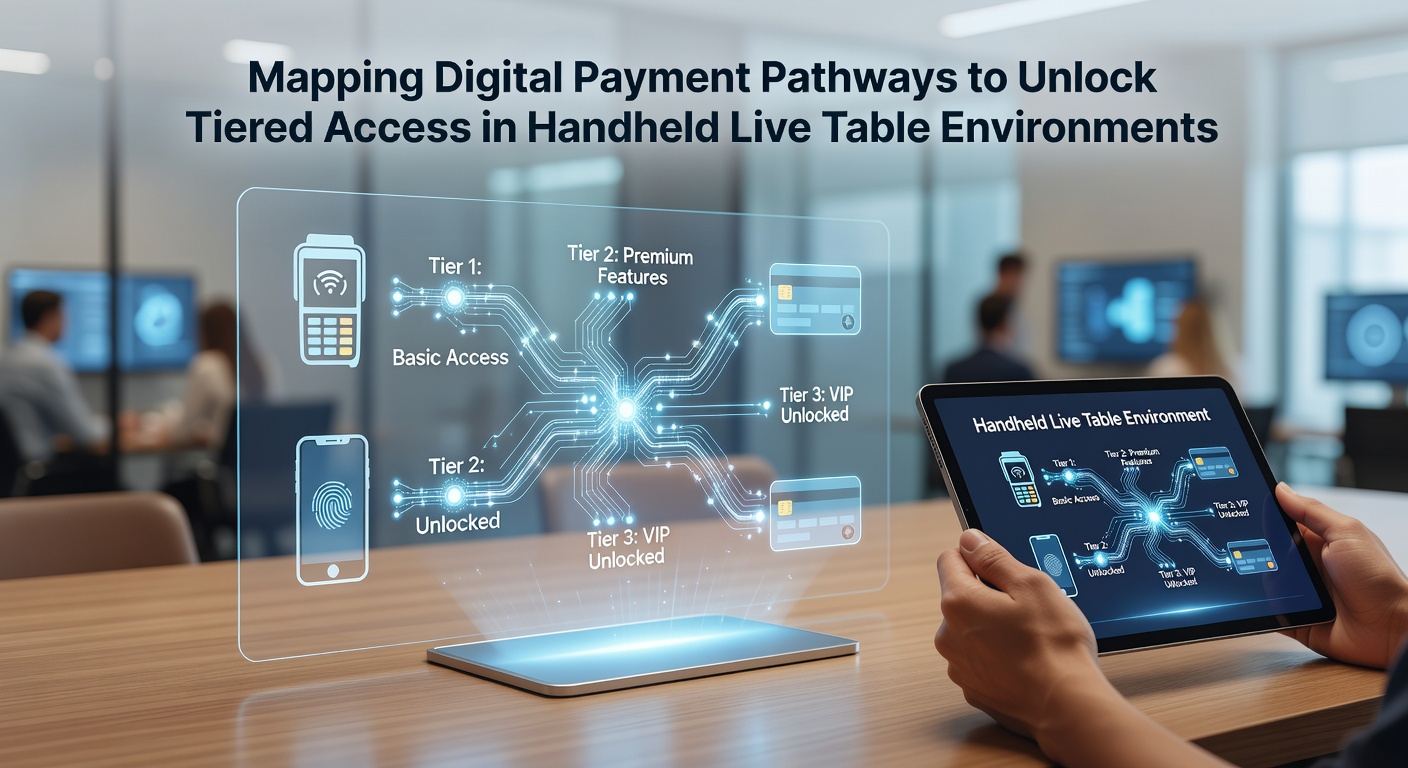
Digital payment pathways now form the backbone of tiered access systems within handheld live table environments, where players engage with real dealers through portable devices while transaction streams determine progression through loyalty levels, and these mechanisms rely on integrated e-wallet solutions along with instant funding protocols that process deposits and withdrawals in real time across global networks.
The Structure of Modern Handheld Live Table Systems
Handheld platforms host live dealer sessions for games such as blackjack, roulette, and baccarat, with software providers routing video feeds directly to mobile applications while payment gateways operate in parallel to track every transaction that contributes to tier eligibility, and observers note that seamless connectivity between these components allows operators to award benefits like reduced house edges or priority seating based on cumulative activity rather than static account balances.
Payment mapping begins at the point of deposit, where users select from multiple channels including cryptocurrency transfers, digital wallets, and bank-linked instant methods, after which algorithms categorize each incoming amount according to speed, volume, and frequency to assign points toward higher tiers, and data shows this process operates continuously without manual intervention in most commercial deployments.
Transaction Pathways and Their Role in Tier Progression
Pathways function as defined sequences that convert raw financial activity into structured access privileges, so a single deposit might route through verification layers, fee calculations, and compliance checks before crediting both the gaming balance and the loyalty ledger simultaneously, whereas repeated patterns of high-frequency transactions accelerate advancement because systems flag sustained engagement as qualifying behavior for elevated status.
Researchers at institutions tracking mobile gaming adoption have documented how these pathways reduce friction between funding actions and reward unlocks, with one study revealing that platforms employing automated mapping achieve faster tier climbs for users who combine live table participation with consistent digital transfers, and this integration extends to handheld environments where session data merges directly with payment histories to generate dynamic profiles.
Regulatory Context and June 2026 Developments
Regulatory bodies across multiple jurisdictions have begun issuing updated guidelines that address the security of these payment pathways in mobile contexts, and in June 2026 several North American authorities released coordinated reports on transaction monitoring standards that emphasize real-time auditing of digital flows to prevent unauthorized tier manipulation, while similar frameworks in other regions require operators to maintain transparent records linking every payment to corresponding access changes.
Industry associations such as the American Gaming Association have compiled aggregate statistics indicating rising volumes of mobile live table transactions routed through tiered systems during the first half of 2026, and these figures illustrate how payment mapping supports both player retention and regulatory compliance without introducing delays in live dealer interactions.

Technical Components Enabling Tier Unlocks
Core technical elements include application programming interfaces that connect payment processors to loyalty engines, encryption protocols safeguarding transaction data during handheld sessions, and analytics modules that evaluate pathway efficiency to optimize future unlocks, so when a user initiates a deposit through an approved e-wallet the system executes a sequence of validations that simultaneously updates balance information and tier metrics in under a second for most verified accounts.
Operators deploy these components across diverse device ecosystems, ensuring compatibility with both iOS and Android environments while accommodating regional variations in accepted payment types, and experts have observed that such adaptability allows platforms to maintain consistent tier progression rules regardless of whether players connect from urban centers or remote locations with varying network conditions.
Integration with Loyalty and Access Models
Loyalty models now incorporate direct inputs from mapped payment pathways, meaning that each completed transaction contributes measurable value toward benefits such as exclusive live table tables, personalized dealer interactions, or accelerated point multipliers, whereas earlier systems relied on separate activity trackers that often lagged behind actual financial movements and created gaps in reward delivery.
Those who have examined platform architectures note that handheld live table environments benefit particularly from this integration because session continuity depends on uninterrupted funding access, and when pathways function reliably players experience fewer interruptions during extended dealer interactions that span multiple tiers of engagement.
Conclusion
Mapping digital payment pathways continues to shape tiered access structures in handheld live table environments by linking transaction sequences directly to privilege allocation, with evidence from regulatory reports and industry data confirming operational efficiency gains across multiple regions, and ongoing refinements in June 2026 and beyond are expected to further align these systems with evolving compliance requirements while preserving real-time functionality for mobile users.