How State-Level Tax Policies Are Quietly Reshaping Progressive Jackpot Mechanics and Cross-Platform Dealer Availability in Licensed Mobile Environments
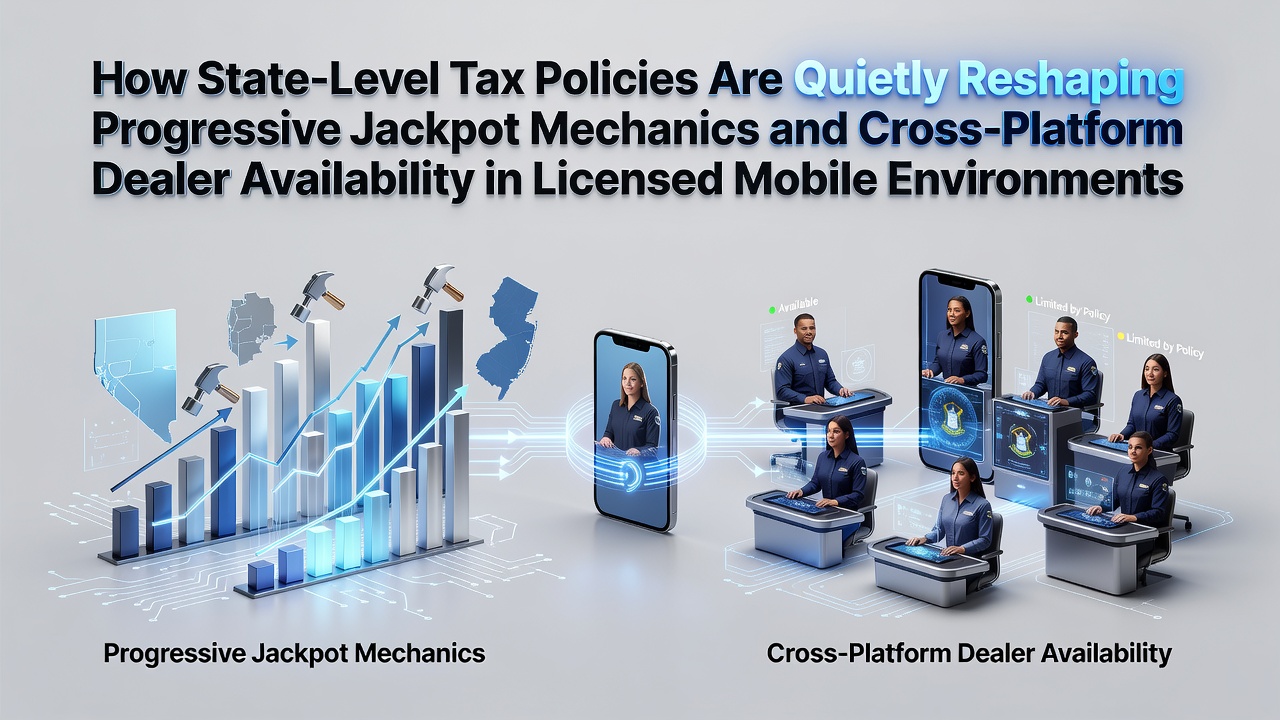
State tax structures on gaming revenue have begun altering the way operators calculate and distribute progressive jackpot contributions across mobile platforms, with several jurisdictions adjusting rates that directly influence pool seeding and cross-state player access. In places where lawmakers have raised the effective tax on online slots, developers have responded by segmenting jackpot pools so that mobile users in high-tax states contribute to separate accumulators rather than shared national ones.
Tax Rate Variations and Jackpot Pool Adjustments
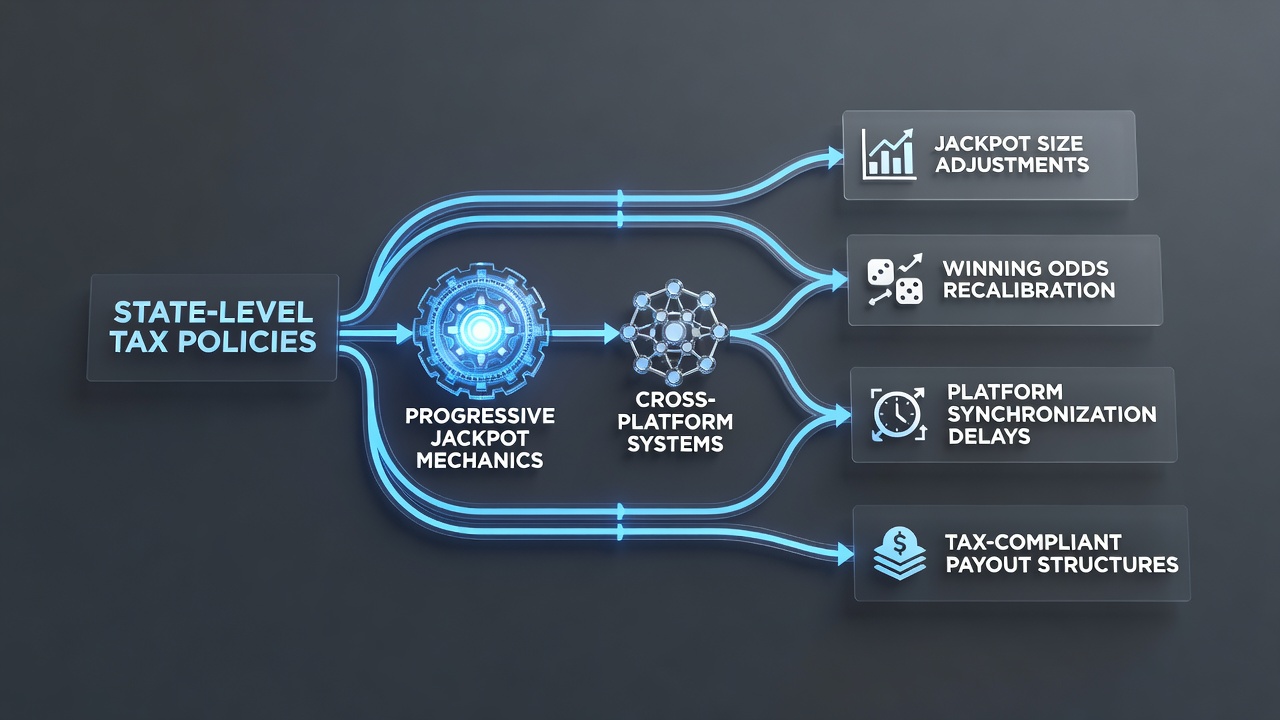
Observers tracking regulatory filings note that states such as Pennsylvania and Michigan apply different tax percentages to interactive gaming revenue compared with land-based operations, prompting operators to recalibrate how much of each wager feeds into progressive meters. Data from state gaming reports shows that when the combined tax burden exceeds certain thresholds, operators reduce the contribution rate per spin on mobile devices to maintain margins, which in turn slows jackpot growth for players in those jurisdictions.
Researchers examining license applications have documented cases where operators created state-specific jackpot tiers that reset more frequently in higher-tax environments while preserving larger, slower-growing pools for lower-tax states. This segmentation keeps the overall system compliant yet changes the player experience depending on where the mobile account is registered.
Live Dealer Availability and Platform Restrictions
Cross-platform dealer sessions face similar pressures because several states tie licensing fees and tax obligations to the number of active dealer tables offered through mobile apps. When tax calculations include per-table assessments, operators have limited the simultaneous availability of live dealer games on handheld devices in those markets, routing players instead to pre-recorded or RNG-based alternatives during peak hours.
Figures released by state regulatory bodies indicate that New Jersey and West Virginia have implemented revenue-sharing models that treat mobile dealer sessions differently from desktop ones, leading some platforms to disable certain tables for mobile users after reaching daily tax caps. Those who've studied the licensing patterns observe that operators now publish region-specific dealer schedules that update automatically based on the user's location at login.
Examples from Multiple Jurisdictions
Take the situation unfolding in Illinois, where the gaming board approved updated tax schedules that took effect retroactively in early 2026; operators there adjusted progressive contributions on mobile slots by splitting pools between in-state and multi-state participants to stay within new reporting requirements. Similar patterns appear in Colorado, where analysts reviewing monthly revenue statements found reduced mobile jackpot growth rates coinciding with the state's updated tax on internet gaming proceeds.
By July 2026 several additional states are scheduled to review their interactive gaming tax frameworks, and early filings suggest further segmentation of both jackpot mechanics and dealer availability may follow. Industry reports compiled by the American Gaming Association highlight how these state-by-state differences create a patchwork that mobile platforms must navigate through geofencing and dynamic pool allocation.
Another layer involves academic research from institutions examining gaming economics, such as studies conducted at the University of Nevada, Las Vegas, which track how tax differentials affect the speed at which shared progressive jackpots reach trigger thresholds across mobile networks. Those analyses show measurable differences in average jackpot sizes between low-tax and high-tax mobile markets over the same time period.
Operational Responses by Licensees
Operators have introduced backend systems that automatically adjust contribution percentages and table availability based on real-time tax calculations tied to player location. This technical approach allows platforms to remain compliant while presenting users with jackpots and dealer options that reflect the prevailing state rules for their session.
What's significant is that these changes occur without altering the core game mathematics; instead, the visible differences stem from how revenue is allocated after the wager is placed. Players accessing the same title from different states may therefore see distinct jackpot meters or dealer counts even when using identical app versions.
Conclusion
State-level tax policies continue to drive incremental modifications to progressive jackpot structures and mobile dealer availability, creating a regulatory environment where operators rely on location-aware systems to manage compliance. As more jurisdictions finalize their 2026 tax schedules, the patterns established in earlier markets provide a template for how these mechanics evolve across licensed mobile environments.