How Behavioral Analytics Are Reshaping Game Selection Patterns in Smartphone Casino Ecosystems

Behavioral analytics tools now monitor user interactions across smartphone casino platforms, collecting data on session duration, game type preferences, and navigation paths that directly influence which titles appear in recommendation engines. Industry reports from 2025 and early 2026 document a measurable shift where algorithms adjust game visibility based on aggregated player data rather than static popularity rankings alone.
Data Collection Mechanisms Driving Selection Changes
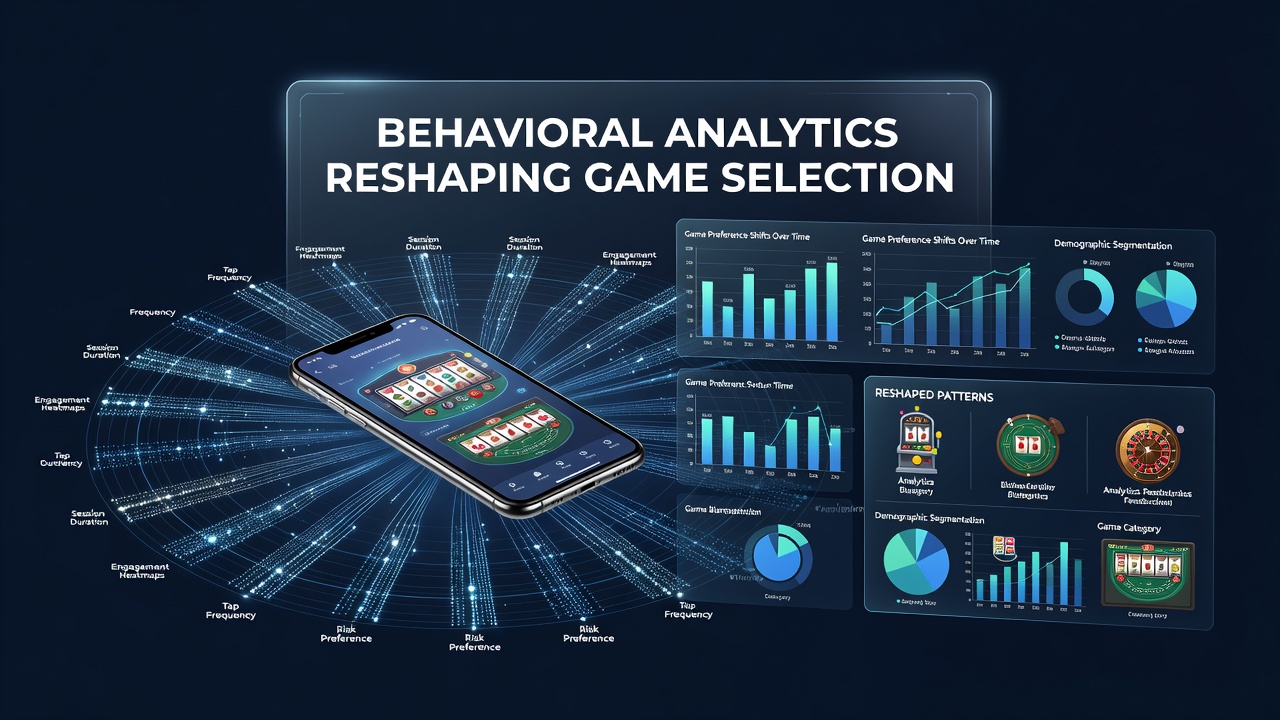
Smartphone casino applications capture touch gestures, scroll patterns, and time spent on individual game previews, then feed this information into machine learning models that predict future choices. These systems process millions of data points daily, according to findings from the Alcohol and Gaming Commission of Ontario, allowing operators to surface titles that align with observed behavioral clusters such as high-volatility slot seekers or table game explorers. Device sensors contribute additional layers, including accelerometer readings that correlate with peak engagement times, while location data refines suggestions for users in specific jurisdictions where regulatory frameworks differ.
Operators integrate these inputs with historical play records to refine personalization layers. One study released in spring 2026 by researchers at the University of Nevada, Reno tracked over 200,000 mobile sessions and found that players exposed to algorithmically curated lobbies selected new games 37 percent more frequently than those navigating unfiltered catalogs. The analysis highlighted how even minor adjustments in thumbnail order or filter defaults produced statistically significant changes in selection rates across demographic segments.
Observed Shifts in Game Category Preferences
Selection patterns reveal growing segmentation between quick-session formats and extended engagement experiences. Data aggregated through June 2026 indicates rising interest in instant-win mechanics among users whose average session lengths fall below eight minutes, while longer sessions correlate with increased exploration of live dealer interfaces. Platform logs show that behavioral signals such as repeated demo mode attempts often precede full transitions to real-money versions of the same title, prompting developers to prioritize demo availability in mobile interfaces.
Regional differences emerge clearly when datasets are segmented by market. In North American ecosystems, progressive jackpot slots maintain steady selection volume despite algorithmic nudges toward themed video slots, whereas European and Asian markets display stronger movement toward hybrid casual-gambling formats. These variations reflect both cultural preferences and differences in available payment rails that affect deposit frequency and game accessibility.
Algorithmic Feedback Loops and Their Effects
Once behavioral models identify a preference cluster, they initiate feedback loops that reinforce certain selection pathways while de-emphasizing others. Players who frequently engage with high-RTP titles see those options elevated in search results and category listings, which in turn generates more data confirming the initial pattern. Industry observers note that this reinforcement can narrow discovery opportunities for niche or emerging games unless operators deliberately inject exploratory prompts into the interface design.
Case examples from major platform providers illustrate the scale of these adjustments. One operator reported that after implementing real-time behavioral scoring in March 2026, average game trials per user increased by 22 percent within the first quarter, with the largest gains appearing in the 25-to-34 age bracket. The same dataset showed reduced bounce rates on lobby pages when recommendations incorporated both past behavior and current device context such as battery level or network speed.
Regulatory and Technical Considerations in Mid-2026
Regulatory bodies continue to evaluate how behavioral analytics intersect with responsible gaming requirements. Guidelines updated in several jurisdictions through June 2026 emphasize transparency around data usage for recommendation systems, requiring operators to disclose when algorithmic curation influences game visibility. Technical standards now address data retention periods and anonymization protocols that protect individual session records while still permitting aggregate pattern analysis.
Cross-platform compatibility adds another dimension. As users switch between smartphone models and operating systems, analytics frameworks must normalize signals from differing hardware capabilities to maintain consistent recommendation quality. Developers have responded by standardizing event-tracking schemas that allow seamless data transfer across iOS and Android environments without compromising selection accuracy.
Conclusion
Behavioral analytics continue to refine the pathways through which smartphone casino users discover and select games, with measurable impacts documented in session metrics and category distribution data through mid-2026. The integration of device-level signals, historical patterns, and real-time adjustments has produced more targeted recommendation systems that respond dynamically to observed behavior. Regulatory frameworks and technical standards evolve alongside these capabilities, shaping how operators deploy analytics while maintaining compliance across diverse markets.