Exploring OS-specific Patterns in Live Dealer Preferences Among Tablet Users Worldwide
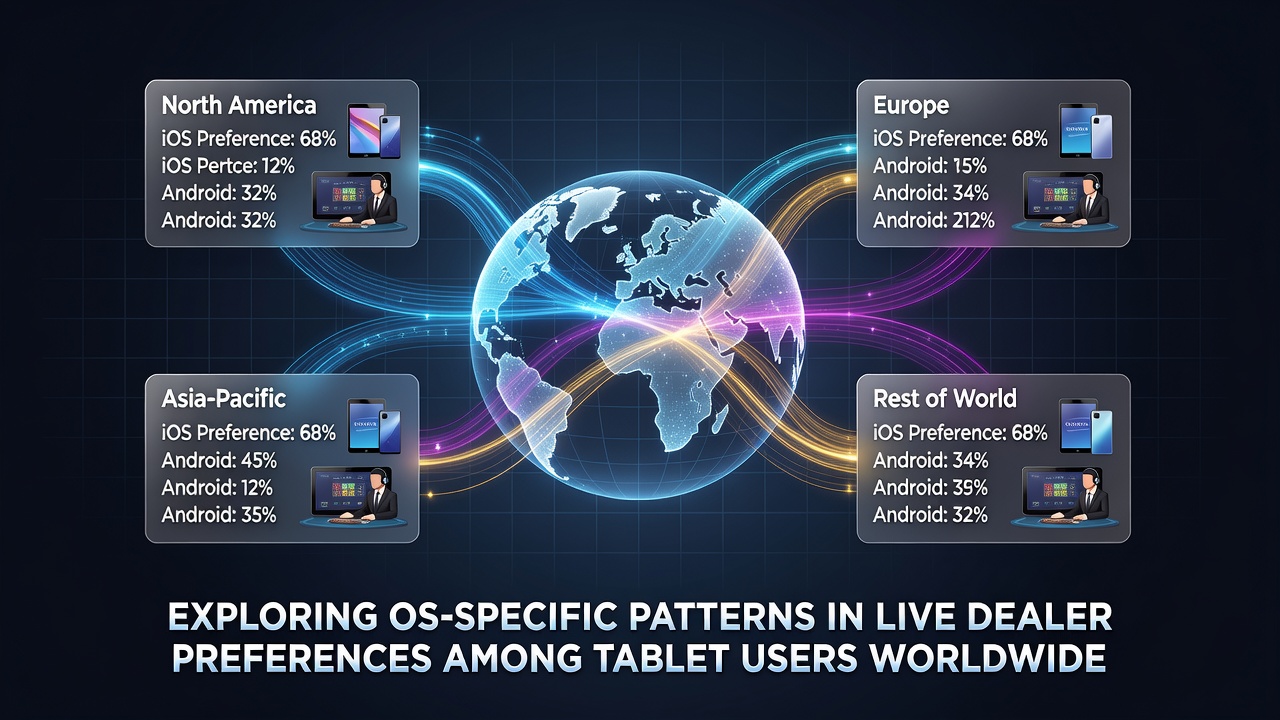
Tablet users worldwide show distinct preferences for live dealer games that align with the operating systems running on their devices, and data collected through 2026 continues to highlight these divides. iOS tablets dominate certain markets where users gravitate toward high-stakes blackjack and roulette sessions, whereas Android tablets see stronger engagement with baccarat and poker variants in other regions. These patterns emerge from aggregated player behavior tracked across multiple continents, and they reflect differences in app ecosystems, payment integrations, and interface designs that each OS supports.
Global Tablet Adoption Trends in Live Dealer Gaming
Market reports from mid-2026 indicate that tablet-based access to live dealer platforms grew steadily in Asia and Europe, while North American usage remained stable after earlier surges. Observers note that iPad users in urban centers often complete longer sessions during evening hours, and they frequently select games with multiple camera angles and side-bet options. Android tablet users in emerging markets demonstrate shorter but more frequent logins, and they tend to favor tables with lower minimum bets and faster round cycles. Such differences persist even when controlling for age and income brackets, suggesting the OS itself shapes interaction styles.
OS-Driven Interface and Feature Preferences
Developers have observed that iOS tablets deliver smoother multitasking, which allows players to keep dealer feeds open alongside chat functions without lag. Android devices, by contrast, offer greater customization in notification settings, and users leverage this to receive instant alerts when preferred tables open. Research compiled by industry analysts shows iOS sessions average 12 percent longer per visit in live dealer environments, while Android users switch between multiple games more often within a single hour. These behaviors trace back to hardware optimization and app store policies that govern update frequency and feature availability.
Regional Variations Across Operating Systems
In Europe, data from regulatory filings reveal that iOS tablet users in the Mediterranean region prefer French and European roulette variants, and they engage heavily with dealers who speak multiple languages. Android tablet traffic spikes in Eastern European countries during weekend afternoons, and players there gravitate toward speed baccarat tables. North American patterns show iOS dominance in California and New York metro areas for live blackjack, whereas Android tablets in the Midwest register higher volumes for three-card poker. July 2026 figures from cross-border transaction logs further confirm these regional OS splits remain consistent year over year.
Asia-Pacific markets present a different picture where Android tablets outnumber iOS devices by wide margins in Southeast Asia. Users there demonstrate clear preferences for live sic bo and dragon tiger, and they often participate in tables hosted from Macau studios. iOS tablet activity concentrates in Japan and South Korea, and players there select premium VIP rooms with private dealer interactions. These preferences align with broader device ownership trends documented in regional technology surveys.

Payment and Loyalty Integration Differences
Payment method adoption also diverges by OS. iOS users integrate digital wallets more readily into live dealer platforms, and transaction data indicates higher average deposit amounts per session. Android users rely more on direct bank transfers and prepaid cards in many markets, and they accumulate loyalty points through frequent smaller wagers. Analysts tracking these flows note that iOS environments support faster biometric authentication, which reduces checkout friction during live play. Android platforms, meanwhile, accommodate a wider range of third-party payment apps popular in specific countries.
Data Sources and Measurement Approaches
Figures compiled by the Nevada Gaming Control Board track cross-device activity originating from international accounts, while separate studies from the Australian Gambling Research Centre examine tablet patterns across Oceania. Both sources apply similar methodologies that segment users by OS version and session duration. The resulting datasets allow direct comparison of game type selection and average time spent at dealer tables. Additional input from academic partners at the University of Nevada, Las Vegas International Gaming Institute supplements these regulatory records with anonymized behavioral metrics.
Future Tracking and Platform Evolution
Platform updates scheduled for late 2026 aim to narrow some interface gaps between iOS and Android tablet experiences. Developers continue testing adaptive layouts that respond to user habits identified in current data streams. Regulatory bodies in multiple jurisdictions monitor these developments to ensure compliance with responsible gaming standards that apply equally across device types. Observers expect continued refinement of live dealer offerings as tablet hardware capabilities advance and global user bases expand.
Conclusion
OS-specific patterns in live dealer preferences among tablet users reflect measurable differences in session length, game selection, and payment behavior across worldwide markets. These distinctions hold steady through July 2026 and appear rooted in both technical capabilities and regional device preferences. Continued data collection from regulatory and academic sources will clarify whether future software updates alter or reinforce these established trends.