Decoding Transaction Pathways That Shape Access to Tiered Dealer Sessions on Portable Reel Platforms
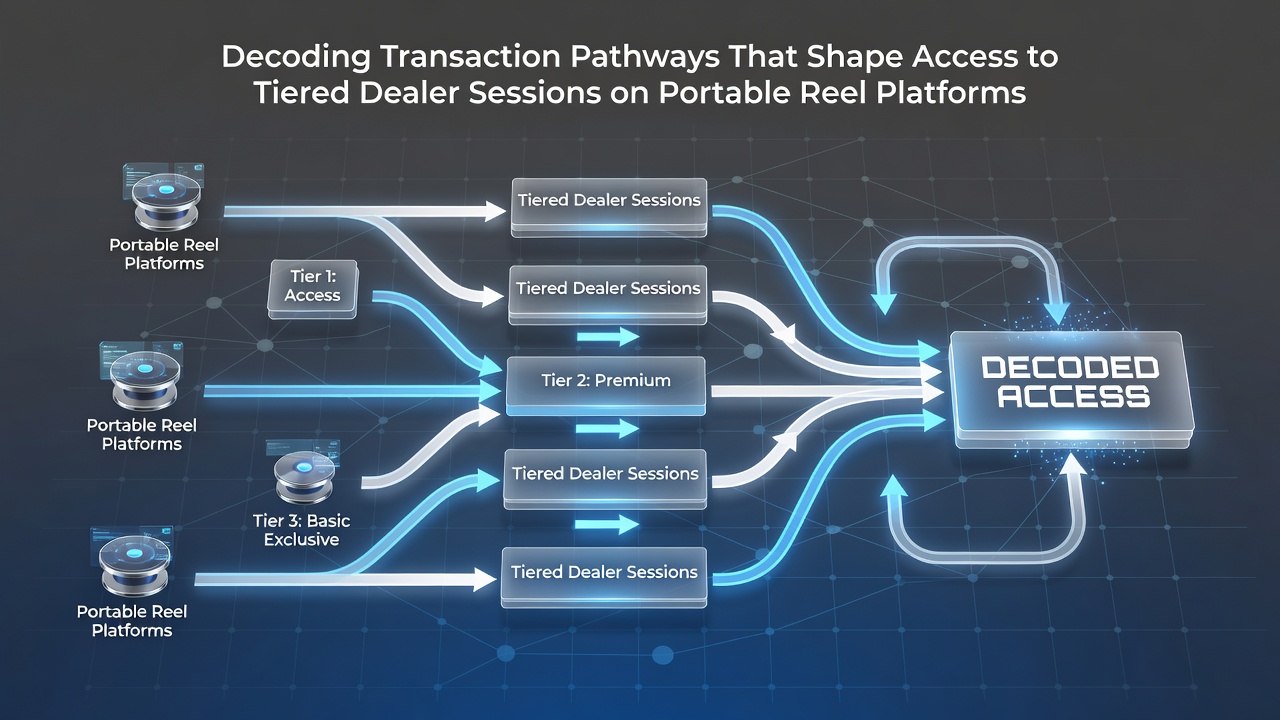
Portable reel platforms have grown into complex ecosystems where funding mechanisms directly determine which live dealer environments players reach, and transaction pathways now function as gateways that sort users into different access levels based on deposit speed, method, and volume. Research from industry analysts shows that these digital routes rely on integrated payment processors capable of instant verification, which then feed data into loyalty engines that assign tier status within minutes of a completed transfer.
How Funding Routes Connect to Dealer Access
Operators design these systems so that certain payment options trigger immediate eligibility for premium dealer tables while others route users through standard queues until additional verification clears. Data indicates that platforms using blockchain-based transfers often complete this handoff faster than traditional card rails, allowing players to move from basic slot reels into interactive dealer sessions without the usual delays. Observers note that the architecture typically layers a compliance check right after authorization, which confirms identity and balance before unlocking higher-stakes rooms.
Mechanics Behind Tier Progression
Once a transaction lands, backend scripts calculate contribution values against predefined thresholds, then push the updated tier flag to both the reel library and the live dealer lobby in a single synchronized update. Studies from gaming technology firms reveal that e-wallet and cryptocurrency corridors frequently carry multiplier bonuses during this calculation step, accelerating movement toward exclusive dealer tables that require platinum or diamond status. The process repeats with each new deposit, so cumulative activity across a rolling period determines whether access remains or drops back down.
Figures from multiple platform audits confirm that users who combine instant funding methods with consistent reel activity maintain longer stays inside tiered dealer environments, whereas slower settlement routes create gaps where eligibility expires before the next session begins. Those who've examined code samples from leading apps describe a series of API calls that query both the payment gateway and the loyalty database simultaneously, reducing the window between deposit and table entry to under thirty seconds in optimized setups.
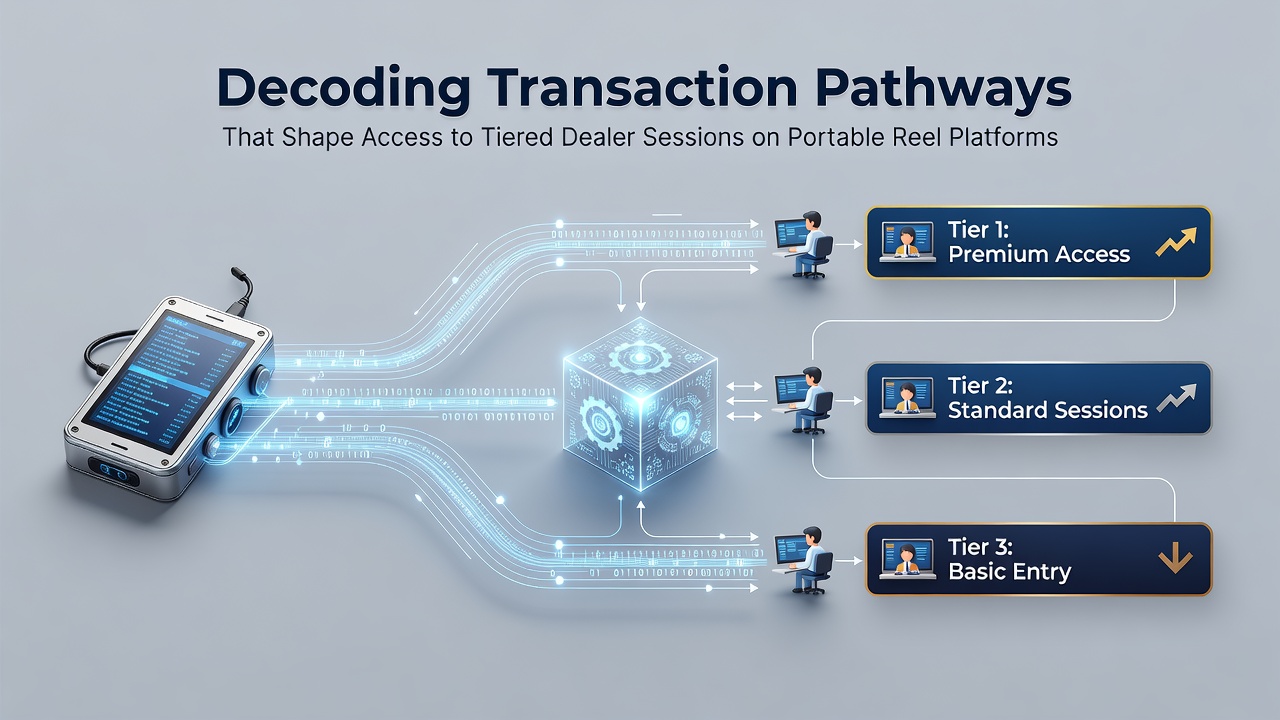
Regional Patterns in June 2026
June 2026 brought fresh regulatory updates that further shaped how these pathways operate across different markets. In several jurisdictions, new rules require real-time reporting of high-velocity transfers, which forces platforms to embed additional checkpoints without slowing the user experience. Analysts tracking adoption rates report that regions with clearer digital payment guidelines saw quicker integration of tiered dealer features into mobile reel apps, while others lagged because of lingering settlement restrictions.
One case involved a North American operator that adjusted its transaction logic after state-level guidance changed mid-month, allowing certain e-wallet corridors to feed directly into dealer tier calculations for the first time. Similar adjustments appeared in Asia-Pacific markets where authorities issued updated technical standards for instant funding solutions, leading developers to refine the handoff protocols between payment rails and live session servers.
Security Layers and Compliance Integration
Every transaction pathway now incorporates multi-factor authentication steps that run in parallel with tier assignment routines. This dual processing keeps fraud detection active while still permitting rapid progression for verified accounts. According to a report published by the New Jersey Division of Gaming Enforcement, operators must log each tier elevation alongside its originating payment method, creating an audit trail that regulators review during periodic examinations. The same document notes that platforms passing these checks often advertise faster access to dealer sessions as a competitive feature.
Yet the reality is that not every corridor receives equal treatment inside the algorithms. High-risk payment types may trigger extended review queues that delay tier activation even when the deposit clears, forcing users to wait or switch methods mid-process. Researchers at the University of Nevada's gaming studies center documented how these conditional delays affect overall session length, showing measurable drops in engagement when verification extends beyond standard windows.
Future Adjustments Already Underway
Platform engineers continue to test refinements that shorten the gap between funding and dealer access without compromising compliance. Recent builds incorporate predictive scoring that estimates tier eligibility before the final authorization lands, giving users earlier visibility into which sessions will open once the transfer completes. Data from pilot programs indicates these previews reduce friction and encourage larger initial deposits when users see the projected upgrade path.
Conclusion
Transaction pathways on portable reel platforms have become the primary control points for entry into tiered dealer sessions, with each payment method carrying its own set of rules for how quickly and reliably users advance. As regulatory frameworks evolve and technology improves, the connections between funding speed and live dealer access will keep shifting, requiring ongoing attention from both operators and players who track these digital routes closely.