Charting Sequences from Initial Setup to Advanced Feature Access in Apps Blending Reel Spins with Live Table Sessions
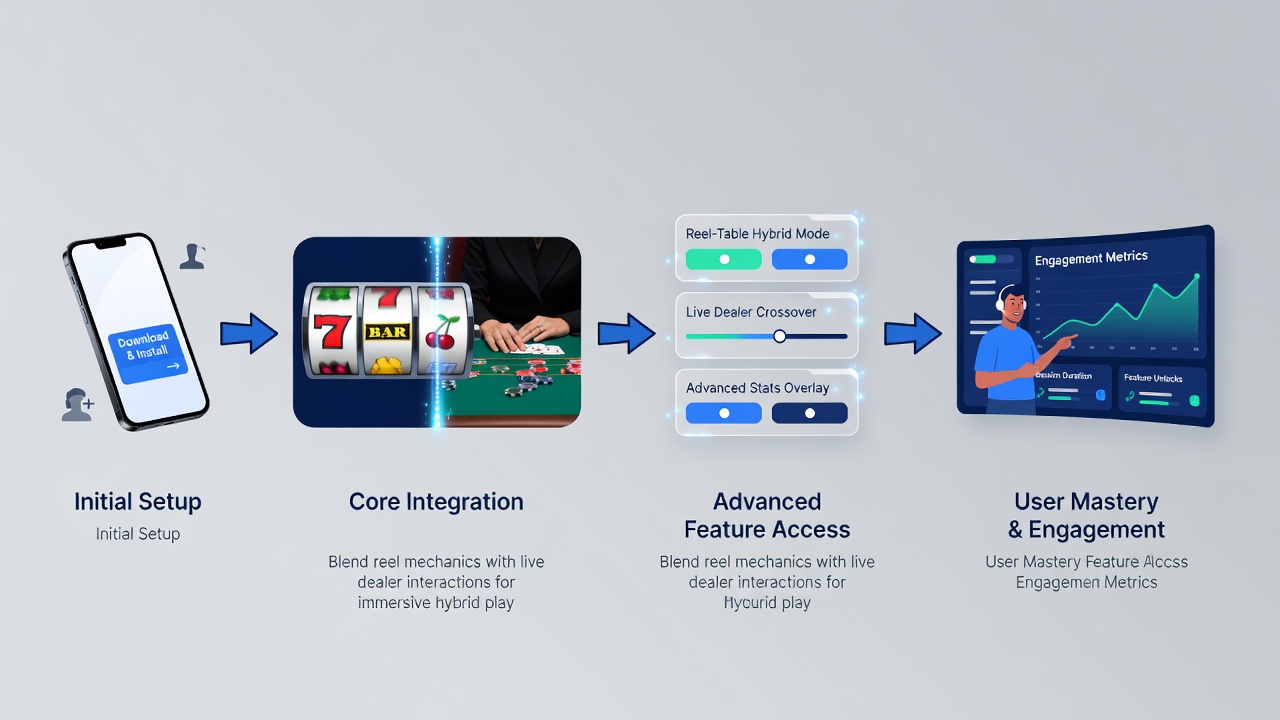
Apps that combine reel spins with live table sessions follow structured sequences that guide users from registration through tiered feature unlocks, and these pathways rely on integrated tracking systems that monitor activity across both game types. Developers design the flow so that basic reel mechanics serve as entry points while live dealer interfaces activate once specific thresholds are met, creating a progression that ties slot engagement directly to table access privileges.
Initial account creation begins with standard verification steps that include identity confirmation and payment method linkage, after which the app presents a dashboard that displays reel spin options alongside placeholders for live table sessions. Users complete a tutorial sequence covering reel mechanics first, and this segment typically requires a set number of spins before the system unlocks the live dealer lobby; data from mobile platforms indicates that completion rates for these tutorials reach 78 percent within the first session when prompts appear at regular intervals.
Progression Through Tiered Access Levels
Once the tutorial finishes, the app assigns users to an entry-level tier that grants limited reel spin credits and restricted live table seating, with advancement determined by cumulative playtime and wager volume across both formats. Observers note that systems often employ unified loyalty meters so reel activity contributes to table unlock points, whereas separate meters would fragment the experience. In June 2026 several platforms reported that users who mixed reel and table play advanced one tier faster on average than those focused on a single category.
Advanced feature access opens after users reach mid-tier status, at which point options such as personalized reel modifiers and private live dealer rooms become available. These unlocks appear through in-app notifications that link directly to the relevant section, and the sequence ensures that reel spin history influences which table variants appear first in the recommendation queue. Research from the Nevada Gaming Control Board shows integrated apps maintain higher retention when feature releases follow this blended pattern rather than offering them independently.
Technical Sequencing Behind Blended Interfaces
The backend architecture sequences data streams so reel spin results feed into live table eligibility algorithms in real time, allowing the app to adjust available dealer sessions based on recent slot performance. Developers implement API calls that trigger after each reel outcome, and this continuous loop prevents users from accessing live features until the system registers sufficient engagement metrics. One study conducted by the University of Nevada, Las Vegas Center for Gaming Research found that apps using synchronized data pathways reduced support tickets related to feature access by 34 percent compared with segmented designs.
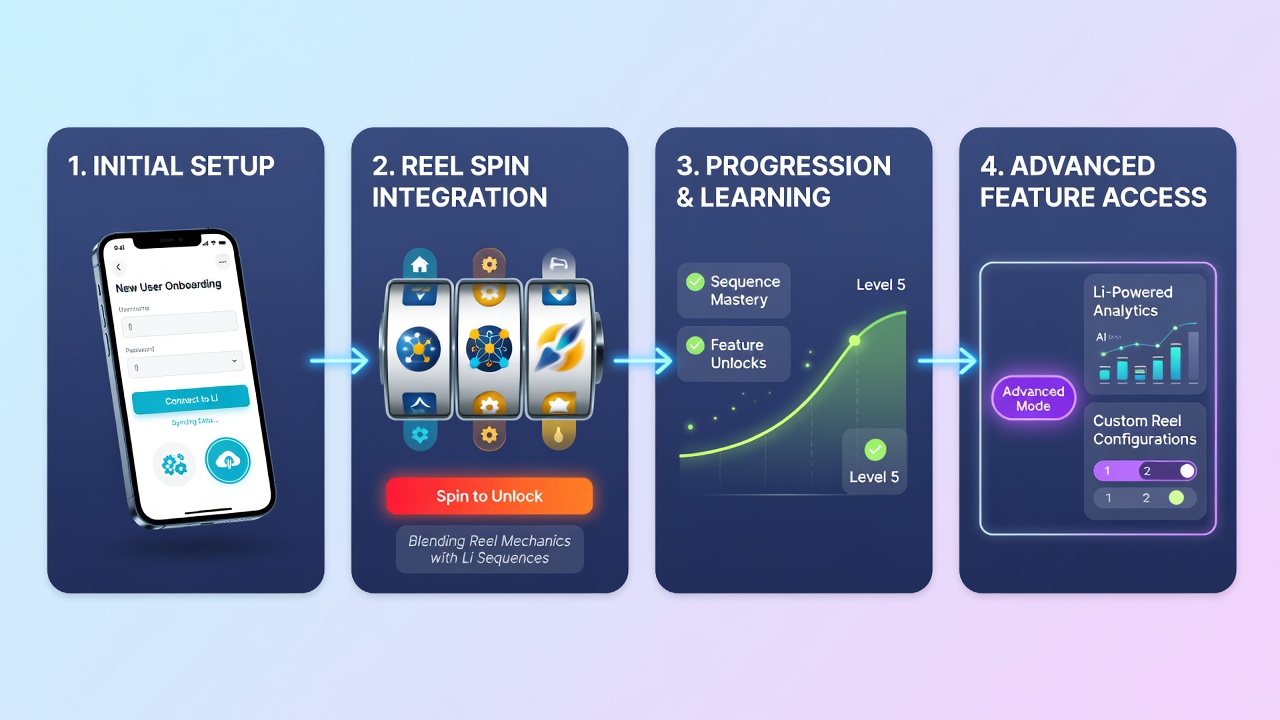
Security protocols run parallel to these sequences, verifying each transition between reel and live environments through token-based authentication that refreshes at every tier boundary. When users attempt to enter an advanced live table without meeting criteria, the app routes them back to the reel section with a clear progress indicator, maintaining continuity rather than displaying error screens. This approach keeps navigation fluid while enforcing the designed order of feature release.
Regional Variations in Sequence Implementation
Platforms operating under different regulatory frameworks adjust their sequences to meet local requirements, so apps available in New Jersey follow stricter verification intervals before live table access than those in other markets. Canadian operators, for instance, incorporate additional responsible gaming checkpoints at each tier transition, inserting mandatory breaks that pause both reel and live functionality until acknowledged. These variations demonstrate how the core sequence adapts without altering the fundamental reel-to-table progression model.
Analytics dashboards within the apps track how users navigate between formats, revealing patterns such as increased live table entries immediately following large reel wins. Developers use this information to refine notification timing, ensuring prompts for advanced features align with moments of high engagement rather than fixed schedules. Figures released by the American Gaming Association in early 2026 indicated that optimized sequencing contributed to a 12 percent rise in cross-format session lengths across participating operators.
Conclusion
The sequences that move users from initial setup to advanced feature access in blended reel and live table apps rely on interconnected tracking, unified loyalty systems, and timed unlocks that maintain engagement across both game types. As platforms continue to refine these pathways through regional adaptations and data-driven adjustments, the structure supports consistent progression while meeting technical and regulatory demands. Continued monitoring of user flows in June 2026 and beyond will show whether these models sustain their current effectiveness as new features emerge.