Charting Cross-Border Data Sharing Agreements That Transform Verification Processes Across Virtual Card Table Networks
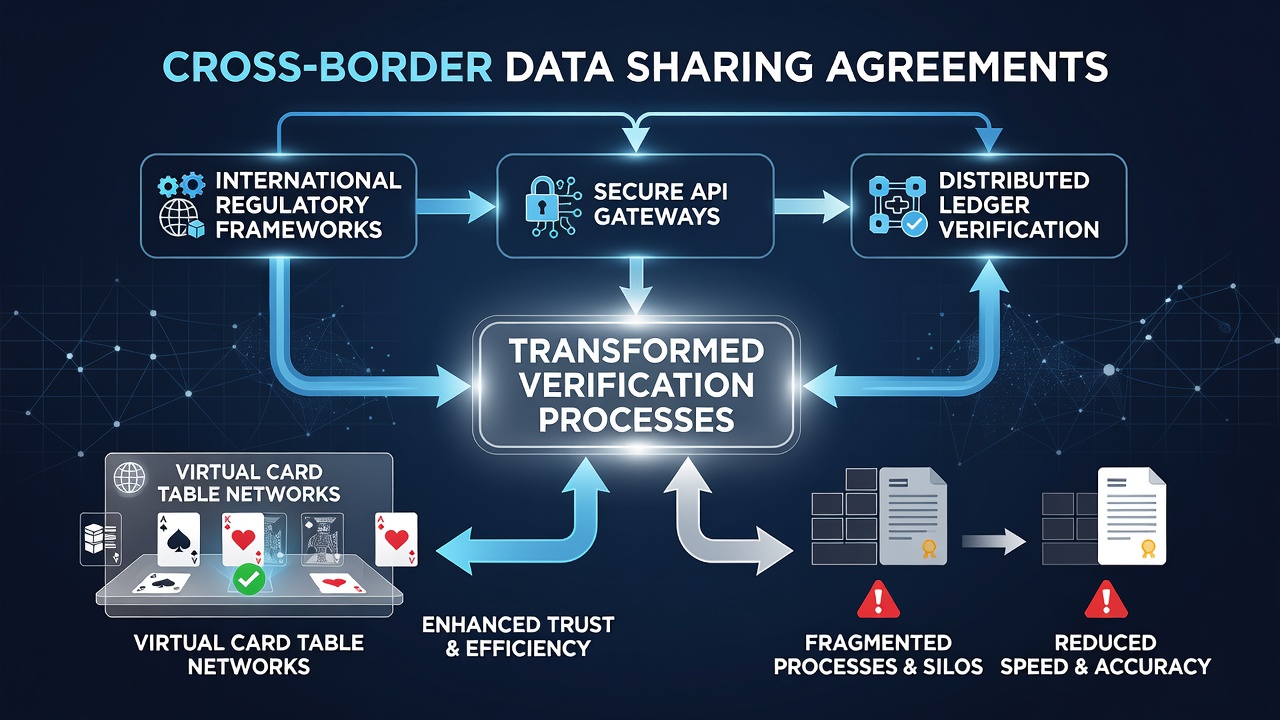
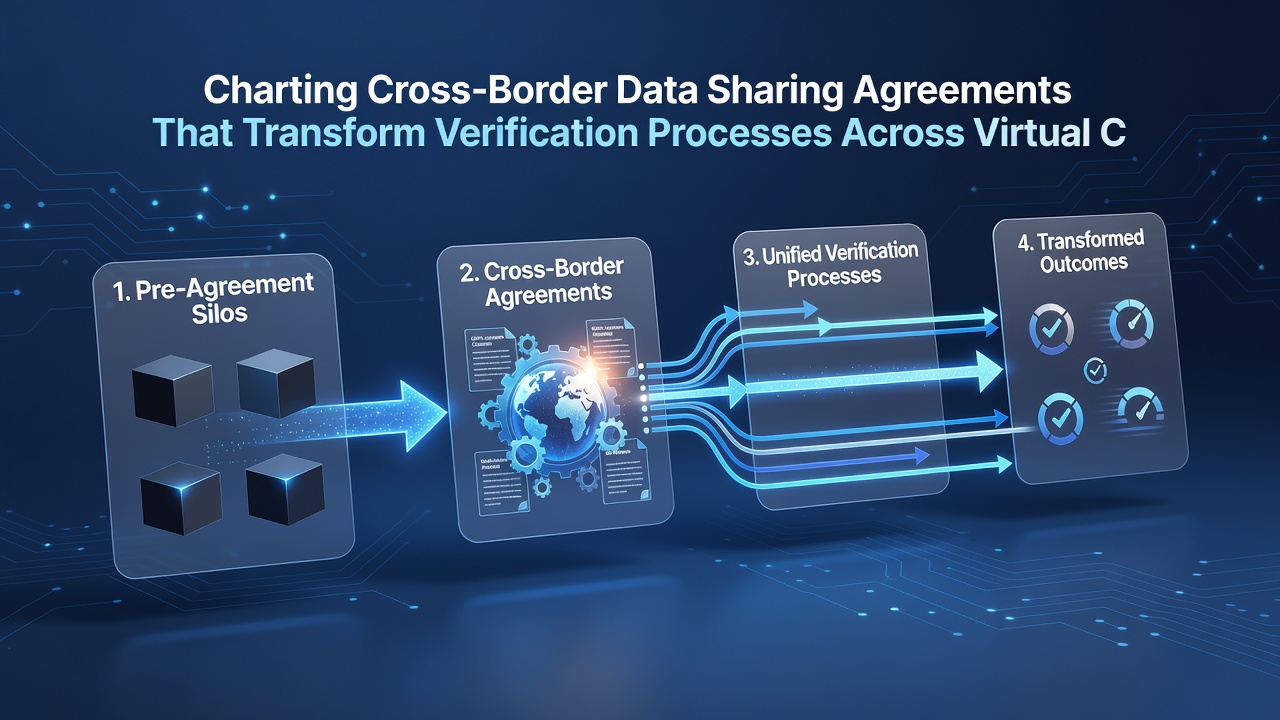
Cross-border data sharing agreements have begun reshaping verification procedures for virtual card table networks, where online platforms host poker, blackjack, and other table games that require real-time player authentication across multiple jurisdictions. These agreements establish standardized protocols for exchanging know-your-customer information, transaction histories, and identity verification records between operators based in different countries, allowing platforms to confirm player eligibility without redundant checks that previously delayed access to live dealer sessions.
Foundations of Current Agreements
Regulatory bodies in North America and Europe have coordinated since 2024 on frameworks that permit limited data transfers for gambling compliance purposes, and observers note these arrangements draw from existing financial services models while addressing specific needs of interactive card environments. Data from the Canadian Gaming Association shows that participating operators reduced average verification times by 40 percent in pilot programs completed before the end of 2025, because shared records eliminated repeated document uploads when players moved between licensed sites in different provinces and states.
Researchers at the University of Nevada's International Gaming Institute documented similar patterns in a 2025 study that tracked verification flows for virtual table participants, revealing that agreements covering identity attributes such as age, residency, and exclusion list status produced measurable efficiency gains. The study also highlighted how these protocols integrate with existing payment rails, allowing seamless progression from registration to funded play across handheld and desktop interfaces.
Implementation in July 2026
July 2026 marks the scheduled rollout of expanded provisions under several bilateral accords that add real-time data synchronization requirements for virtual card table operators. These updates require platforms to query shared databases within seconds of a player request, using encrypted channels that comply with data localization rules in each participating jurisdiction. Government reports from the Australian Communications and Media Authority indicate that similar synchronization standards adopted earlier in the Asia-Pacific region produced consistent compliance improvements without increasing operational costs for mid-sized networks.
Network administrators report that the July timeline aligns with software updates already underway at major virtual table providers, where application programming interfaces now support automated cross-referencing against international watch lists. This synchronization reduces the window during which an excluded player might attempt access through a secondary account registered in another country.
Technical Mechanisms Driving Change
Encryption standards embedded in the agreements use tokenization to mask sensitive fields while still allowing verification queries to return binary results such as approved, restricted, or pending review. Those who've examined the technical specifications observe that this approach satisfies both privacy statutes and gambling control requirements, because no raw personal data travels across borders during routine checks. Industry reports from the European Gaming and Betting Association detail how these tokens integrate with existing loyalty systems, enabling tier progression tracking across portable reel and dealer interfaces without exposing full user profiles.
Case examples include a North American operator that linked its verification module to a European counterpart in early 2026, resulting in a documented drop in account creation abandonment rates from 18 percent to under 9 percent within the first quarter of joint operation. The linkage also permitted faster resolution of disputes involving multi-jurisdictional play sessions, because shared logs provided a single source of truth for transaction timing and device fingerprints.
Regulatory and Operational Outcomes
Figures released by the Nevada Gaming Control Board in mid-2026 show that platforms operating under these agreements recorded fewer regulatory inquiries related to player eligibility, because pre-verified status transfers eliminated the need for repeated manual reviews. Similar patterns appear in records maintained by the New Jersey Division of Gaming Enforcement, where cross-border data exchanges now cover more than 60 percent of active virtual table accounts. These metrics indicate that verification bottlenecks, once a common friction point for players switching between networks, have decreased substantially since the agreements took effect.
Additional provisions address audit trails that regulators can access during compliance reviews, ensuring that data shared under the agreements remains available for inspection without requiring separate requests to foreign entities. Observers note that this built-in audit capability has streamlined oversight processes, particularly for networks that span multiple time zones and regulatory calendars.
Conclusion
Cross-border data sharing agreements continue to standardize verification across virtual card table networks by connecting previously isolated compliance systems into coordinated frameworks. The July 2026 implementations represent the next phase of this integration, supported by technical standards that balance privacy protections with operational efficiency. Data from regulatory agencies and academic studies confirm measurable reductions in verification times and compliance queries, while technical mechanisms such as tokenization maintain the security of exchanged records. These developments establish clearer pathways for operators and regulators working across jurisdictions to maintain consistent player authentication standards.